Greening your supply chain is simpler than you think. Explore 7 actionable strategies to enhance sustainability.
Is your company struggling to reduce its environmental impact?
In today’s business landscape, sustainability isn’t just a buzzword—it’s a make-or-break factor for long-term success. As companies strive to reduce their environmental impact, many are shocked to discover that their supply chains account for a staggering 60% of their total carbon emissions.
This hidden culprit not only threatens our planet but also puts businesses at risk of falling behind competitors, facing regulatory challenges, and losing environmentally conscious customers.
But here’s the good news: greening your supply chain doesn’t have to be an overwhelming task. By implementing a few strategic changes, you can dramatically reduce your environmental impact while simultaneously boosting your bottom line and future-proofing your business.
In this article, we’ll explore seven straightforward strategies that will transform your supply chain from an environmental liability into a sustainable powerhouse. Whether you’re a small business owner or a corporate executive, you’ll find practical, actionable steps to make your operations greener, more efficient, and more profitable.
Before diving into specific strategies, it’s essential to understand why supply chain sustainability matters. According to a recent study, supply chains account for about 60% of global carbon emissions. By focusing on greening your supply chain, you can:
Here is a brief overview of sustainable supply chains from the United Nations Industrial Development Organization (UNIDO) :
Let’s explore seven easy ways to boost your supply chain sustainability.
The first step in greening your supply chain is to understand your current environmental impact. Performing a comprehensive supply chain audit allows you to pinpoint areas that need improvement and set a benchmark for tracking progress.
Key steps in a supply chain audit:
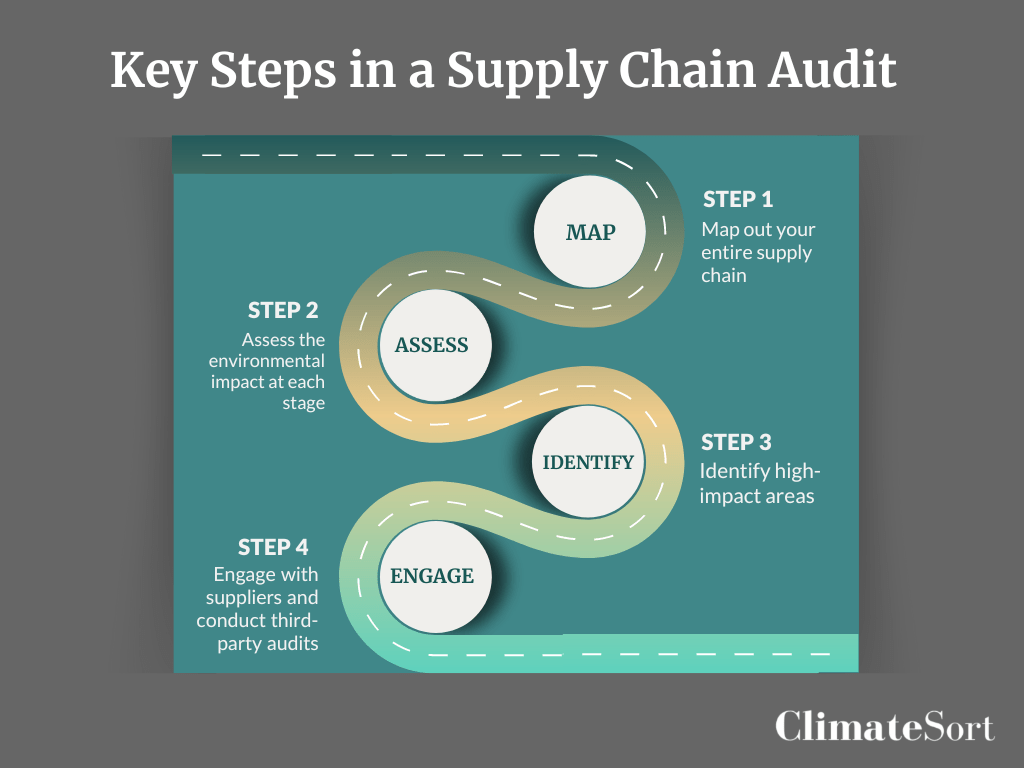
Completing these audits will give your company a solid foundation for implementing targeted sustainability initiatives.
Transportation is often one of the most significant contributors to a supply chain’s carbon footprint. Optimizing your logistics network can significantly reduce emissions while potentially cutting costs.
Strategies for greener transportation:
A recent study found that optimizing supply chain logistics could reduce carbon emissions by up to 50% while potentially decreasing supply chain costs by 10-30%. This highlights the significant environmental and economic benefits of focusing on transportation efficiency in your supply chain.
Packaging waste is a significant environmental concern. In 2016, a study showed that 32% of plastic packaging ends up in our oceans yearly. Rethinking your packaging strategy can reduce waste and appeal to environmentally conscious consumers.Using packaging design best practices is key to making packaging more sustainable. This means considering the packaging’s full life cycle, fitting it well to the product, and ensuring materials are used efficiently and are easy to recycle.
Tips for sustainable packaging:
Companies like Unilever have committed to making 100% of their rigid plastic packaging reusable, recyclable, or compostable by 2030 and 2035 for their flexible plastic packaging, setting an example for others in the industry. So far, the company has achieved 53% of this goal.
Reducing energy consumption throughout your supply chain can bring significant environmental and cost benefits. Focus on implementing energy-efficient technologies in your manufacturing processes, warehouses, and distribution centers.
Energy-saving initiatives to consider:

According to the International Energy Agency (IEA), energy efficiency improvements could reduce greenhouse gas emissions by more than 40% to meet global climate goals.
For businesses, this translates to potential energy savings of 10-30% through the implementation of energy-efficient technologies and practices, highlighting the significant impact of such initiatives on sustainability and the bottom line.
Creating a truly sustainable supply chain requires collaboration with your suppliers. You can make positive changes towards greening your supply chain by working closely with your partners and providing education on best practices for sustainability.
Steps to improve supplier collaboration:

Companies with strong supplier engagement on sustainability are significantly more likely to achieve their emissions reduction goals and experience positive business outcomes, such as improved revenue growth. This highlights the importance of supplier collaboration in driving meaningful sustainability progress and overall success.
The circular economy system aims to reduce waste and enhance resource efficiency by extending the lifespan of products and materials. Incorporating circular economy principles into your supply chain can reduce environmental impact and uncover new revenue streams.
Circular economy strategies for supply chains:
Companies like Philips have embraced the circular economy model, aiming to generate 25% of their revenue from circular products and solutions by 2025.
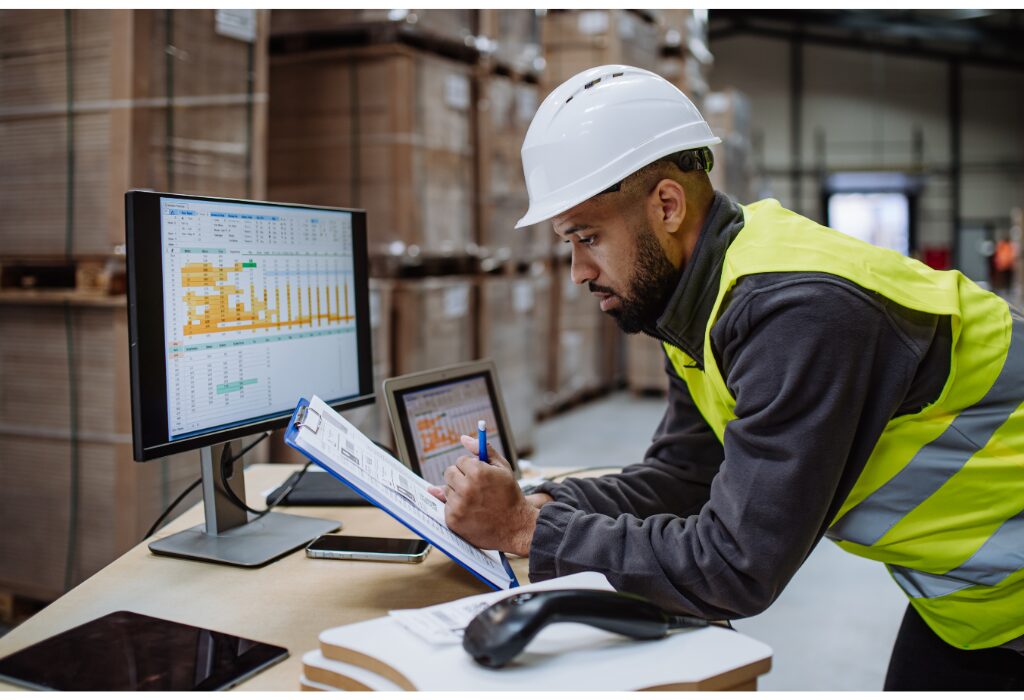
Advanced technologies like blockchain, IoT sensors, and artificial intelligence revolutionize supply chain transparency and traceability. By incorporating supply chain traceability solutions, these tools offer real-time visibility into product origins and movements, helping businesses better manage their environmental impact and verify sustainability claims throughout the supply chain.
Benefits of technology-driven transparency:
For example, Walmart has partnered with IBM in using blockchain technology, which will track the origin of over 25 products from five different suppliers, improving food safety and sustainability.
Making your supply chain more environmentally friendly benefits the planet and can boost operational efficiency, reduce costs, and strengthen your brand’s reputation.
You can make significant strides toward a more sustainable supply chain by implementing these seven strategies—conducting comprehensive audits, optimizing transportation, embracing sustainable packaging, implementing energy-efficient technologies, fostering supplier collaboration, adopting circular economy principles, and leveraging technology for transparency.
Remember that sustainability is an ongoing journey, not a destination. Continuously monitor your progress, stay informed about new sustainability innovations, and be prepared to adapt your strategies as needed.
Committing to greening your supply chain by implementing more sustainable solutions is future-proofing your business and contributing to a healthier planet for generations to come.
Supply chain sustainability involves managing environmental, social, and economic impacts throughout the product lifecycle, from sourcing raw materials to final delivery and disposal.
Small businesses can start by auditing their current practices, choosing eco-friendly suppliers, optimizing transportation, reducing packaging waste, and educating employees about sustainability.
Benefits include reduced environmental impact, improved brand reputation, cost savings, risk mitigation, increased innovation, and enhanced operational efficiency.
Technology like blockchain, IoT sensors, and AI can enhance transparency, traceability, and efficiency in supply chains, leading to better resource management and reduced environmental impact.
ScienceDirect: Carbon Transparency in Global Supply Chains – The Mediating Role of Institutional and Innovative Capacity
McKinsey & Company: Decarbonizing Logistics- Charting the Path Ahead
World Economic Forum: The New Plastics Economy Rethinking the Future of Plastics
World Economic Forum: Energy efficiency is the world’s ‘first fuel’ – and the main route to net zero, says IEA chief
McKinsey & Company: Profits with Purpose -How Organizing for Sustainability Can Benefit the Bottom Line
EnergyStar.gov: Small Businesses: An Overview of Energy Use and Energy Efficiency Opportunities
Monthly: new rankings, vendor data updates and buyer guides. No spam.
Sent with Brevo. Unsubscribe anytime.