These are the top renewable energy startups changing the world with advanced technology to make our renewable energy goals attainable >>
Renewable energy startups are increasing their presence across energy-dependent industries to reduce and eliminate the use of fossil fuels.
But more needs to be done if we intend to reach our net-zero carbon emission goals by 2050.
Serious investment in energy generation, storage, and technology is required to further bring down the costs of renewable energy.
New technologies and different renewable energy forms are increasing the clean energy portfolio, driven by some truly innovative and game-changing startups and the new technologies they’re using.
This article covers some of the top renewable energy startups to watch in 2026.
Let’s get started!
To begin, let’s examine the phrase “Renewable Energy Startups.”
Startups are typically young companies founded specifically to develop a unique product or service. Startups are rooted in innovation and new technologies that challenge or disrupt traditional methods of business within specific industries.
They intend to provide a product or service that addresses pertinent issues within their industry and makes it irreplaceable for consumers. Startups are frequently referred to as disruptors within their respective industries.
Renewable energy comes from renewable natural sources like wind, solar, hydroelectric, geothermal, hydrogen, biomass, and mechanical.
These energy sources are constantly being replenished and depend largely on technology to convert these sources into energy.
Capturing and storing renewable energy is challenging, but many renewable energy startup ideas provide practical solutions that work.
Fossil fuels, on the other hand, are non-renewable resources like coal, oil, and gas that are burned to produce energy but release harmful greenhouse gas emissions. Moving over to renewable energy is key to addressing the climate crisis.
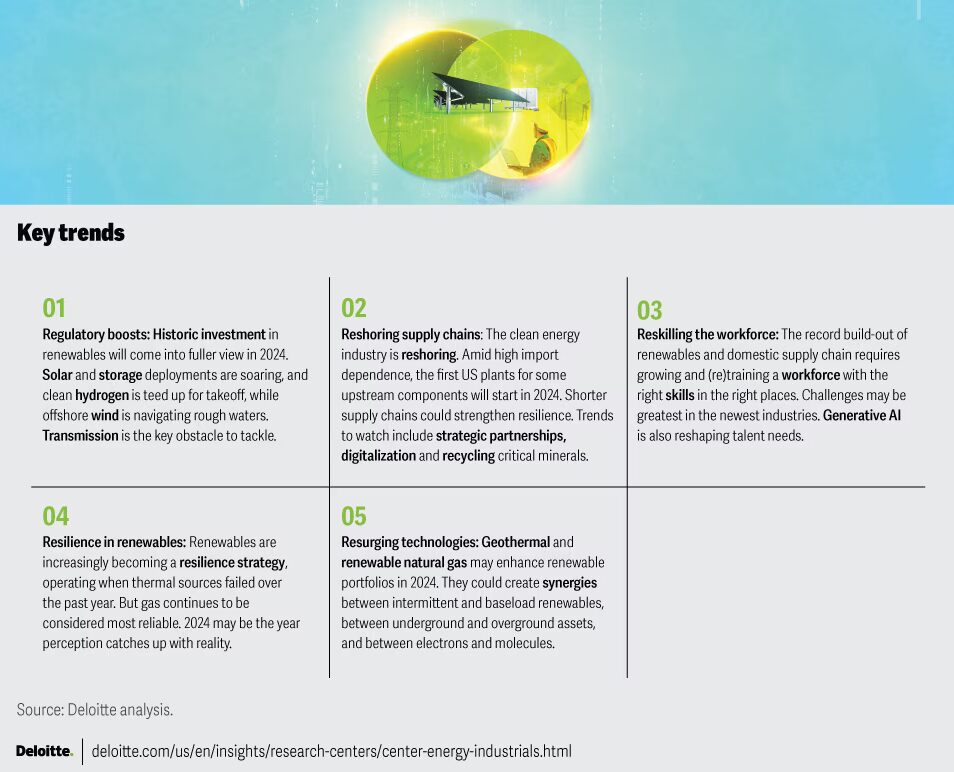
The renewable energy sector has seen exceptional growth over the last decade and now constitutes about 17% of the total global energy consumption.
According to the Energy Information Administration, the use of renewable energy is expected to increase by 17% to 42 GW in 2026 and is projected to contribute to almost 25% of electricity generation.
In major renewable energy markets, the amount of curtailed generation is relatively low, typically ranging from 1.5% to 4%. By 2026, several European countries such as Spain, Germany, and Ireland are expected to achieve an annual contribution of over 40% from wind and solar PV.
According to the 2021 Tracking SGD7 Report, renewables are the most dynamic in the electricity sector, accounting for approximately 25% in 2018.
Many businesses have realized that their carbon footprint affects their bottom line. The more carbon neutral a business becomes, the more support that business attracts.
Curbing our reliance on fossil fuels is vital to curbing the climate crisis.
The agricultural sector in the U.S. consumes almost 1.9% of the total U.S. energy consumption, contributing to around 35% of the total greenhouse gas emissions in the agri-food industry.
The agricultural sector in the U.S. consumes almost 1.9% of the total U.S. energy consumption, contributing to around 35% of the total greenhouse gas emissions in the agri-food industry.
To date, much has been accomplished to transition the agricultural sector to clean energy. In addition, farms are a viable source of carbon-rich biomass.
New technologies allow clean energy to be generated from biomass while trapping the carbon in the process.
Check out this video by Green Mountain Energy on how agricultural biomass is used to create energy: