Discover 12 leading hydrogen electrolyzer manufacturers driving down the cost of production through innovative electrolyzers.
As the world hurtles towards a decarbonized future, hydrogen is emerging as a key energy carrier. Its clean-burning nature and versatility across sectors make it an ideal fuel for transportation, industry, and power generation.
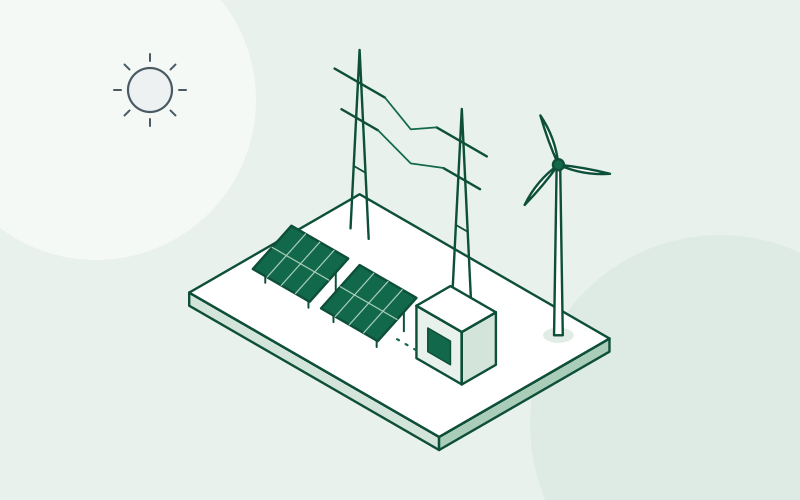
However, a significant hurdle remains—the hydrogen electrolyzer cost issue. This concerns the cost of producing green hydrogen generated through water electrolysis using renewable energy sources.
This is where hydrogen electrolyzer manufacturers come in. They are pivotal in driving down production costs and accelerating the transition to a hydrogen-powered future.
The International Energy Agency projects that the cost of producing hydrogen from renewable electricity could fall by 30% by 2030.
This article will illuminate the companies leading the charge in making green hydrogen a commercially viable reality, from established players to emerging disruptors.
Hydrogen electrolyzer manufacturers are not one-size-fits-all. Three main types of electrolyzers exist, each employing a distinct approach: Polymer Electrolyte Membrane (PEM), Alkaline, and Solid Oxide Electrolysis Cells (SOEC).
Each boasts unique advantages and caters to specific applications within the burgeoning clean energy landscape. Delving into these technologies is paramount to understanding hydrogen production’s current state and future possibilities.
PEM electrolyzers use a solid polymer electrolyte to separate hydrogen and oxygen.
They operate at lower temperatures (50-80°C) and can respond quickly to power fluctuations, making them ideal for integrating renewable energy sources.
PEM electrolyzers are compact and produce high-purity hydrogen, but they’re currently more expensive due to using precious metal catalysts.
Alkaline electrolyzers are the most mature and widely used technology.
These hydrogen electrolyzer manufacturers employ a liquid alkaline solution (potassium hydroxide) as the electrolyte.
at temperatures between 60-80°C, they’re less expensive than PEM systems but slower to start up and less flexible. Alkaline electrolyzers are well-suited for large-scale, continuous hydrogen production.
AEM electrolyzers operate at moderate temperatures (40-60°C) and use a solid polymer electrolyte that conducts hydroxide ions.
This technology combines features of both PEM and alkaline systems, allowing for the use of non-precious metal catalysts and potentially lower costs. AEM electrolyzers offer good efficiency and can operate at differential pressure.
However, the technology is still emerging and faces challenges with membrane stability and long-term durability. Ongoing research aims to improve performance and reliability.
AEM electrolyzers show promise for certain applications, influencing current research and development efforts in the hydrogen production industry.
SOECs operate at much higher temperatures (700-900°C) than PEM or alkaline electrolyzers.
This high-temperature operation allows for higher efficiency and the potential use of waste heat from industrial processes. SOECs can also run reverse as fuel cells, offering energy storage and conversion flexibility.
However, they’re still in the early stages of commercialization and face challenges related to durability and cost.
Each type has its advantages and is suited to different applications, influencing which technology manufacturers choose to develop and produce.
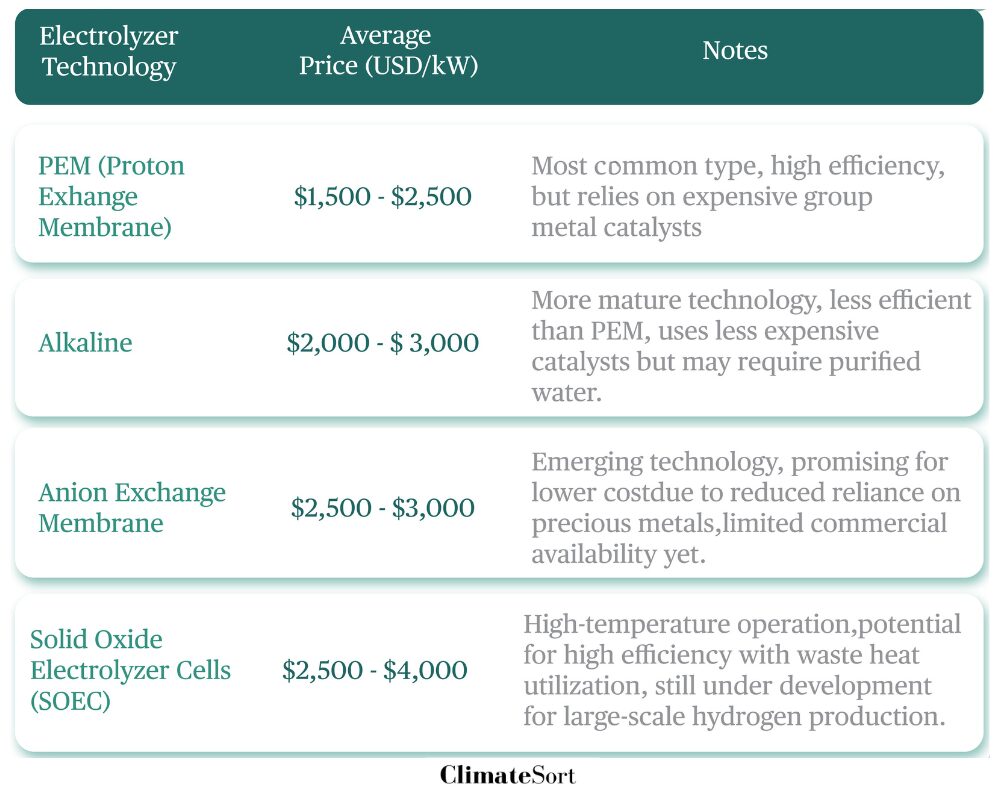
Here is our curated list of the leading innovative companies developing cutting-edge electrolyzer techniques: